

Founded by Scientists, For Optimists
Rarebird was started to illuminate a path for those wanting smarter, more intentional wellness through America's favorite beverage.
The way we see it, the products we use day in and day out should help our minds and bodies function at nothing less than their very best. Caffeine just wasn't cutting it.
Jeff's Passion Project

THE BREAKING POINT
“The energy wasn’t sustainable.”
Like millions, I relied on caffeine — until it left me wired and burned out. The boost wasn’t sustainable. So I asked: what if coffee could feel better?
— Jeffrey Dietrich, PhD | Founder & CEO
SCIENCE, VALIDATED
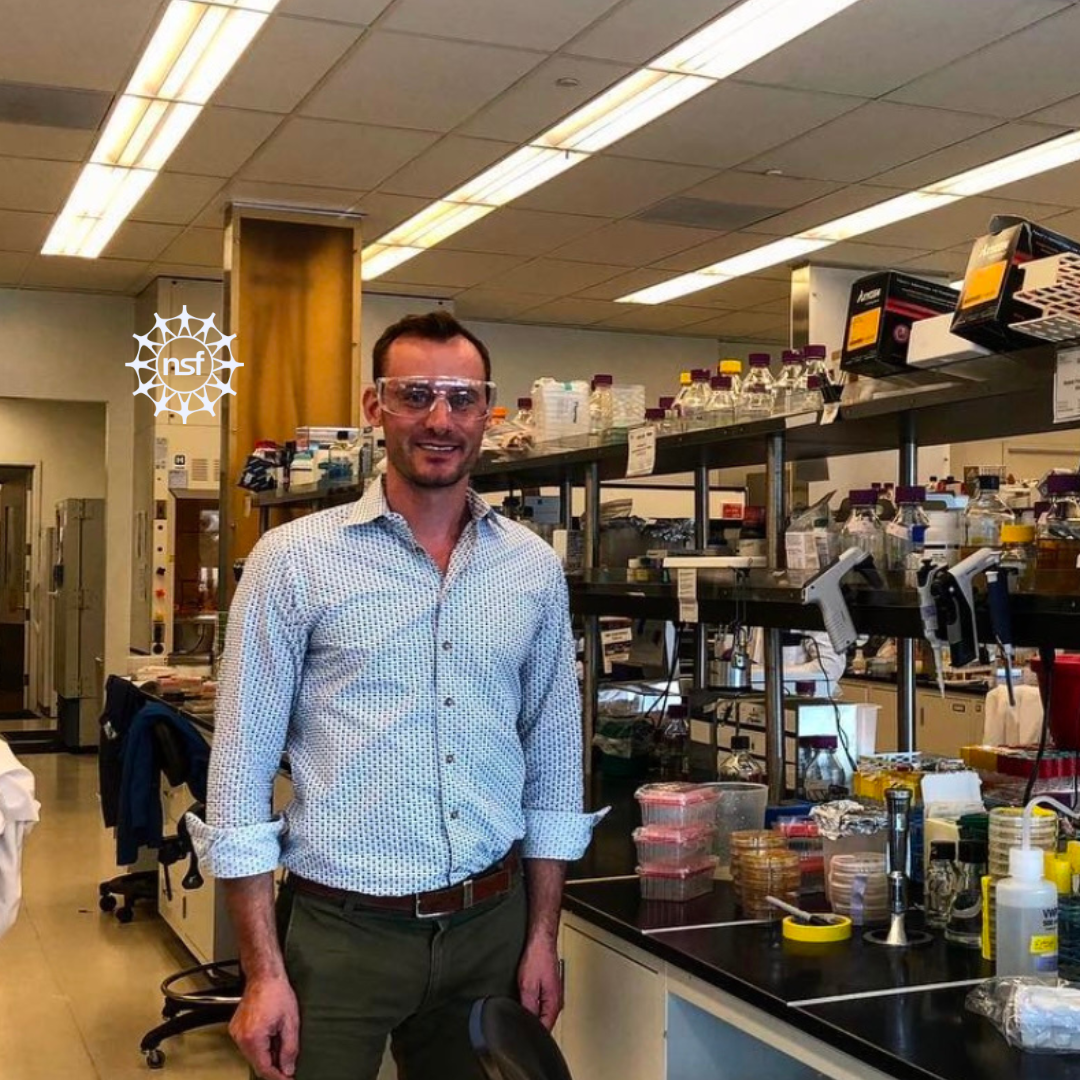
Backed by the NSF
Smarter coffee starts with better science. The National Science Foundation awarded us two research grants — including $1M in 2025 — to advance the development of Px.
This isn’t a trend. It’s a research-backed breakthrough.
AWARD-WINNING
Better Benefits. Great Taste.
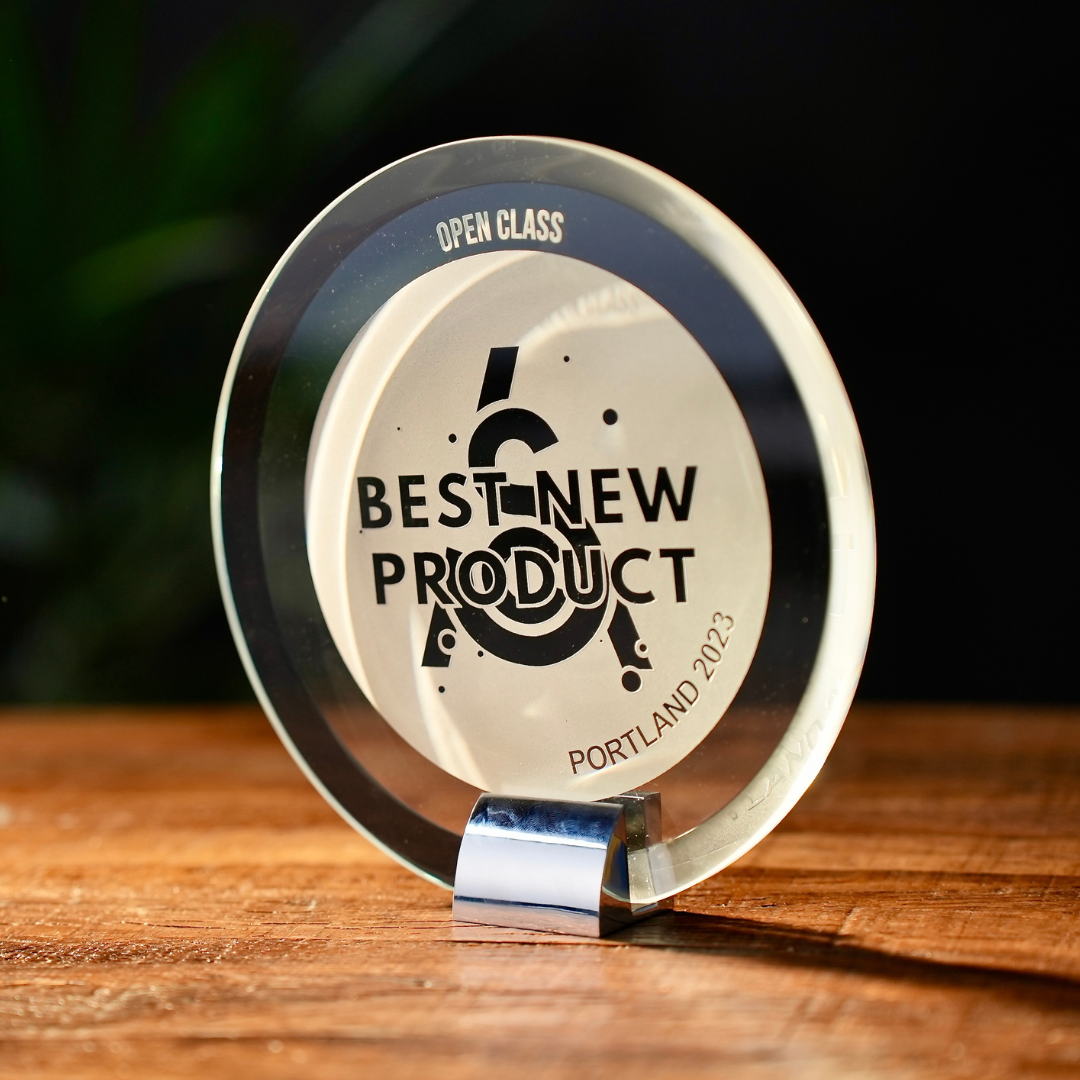
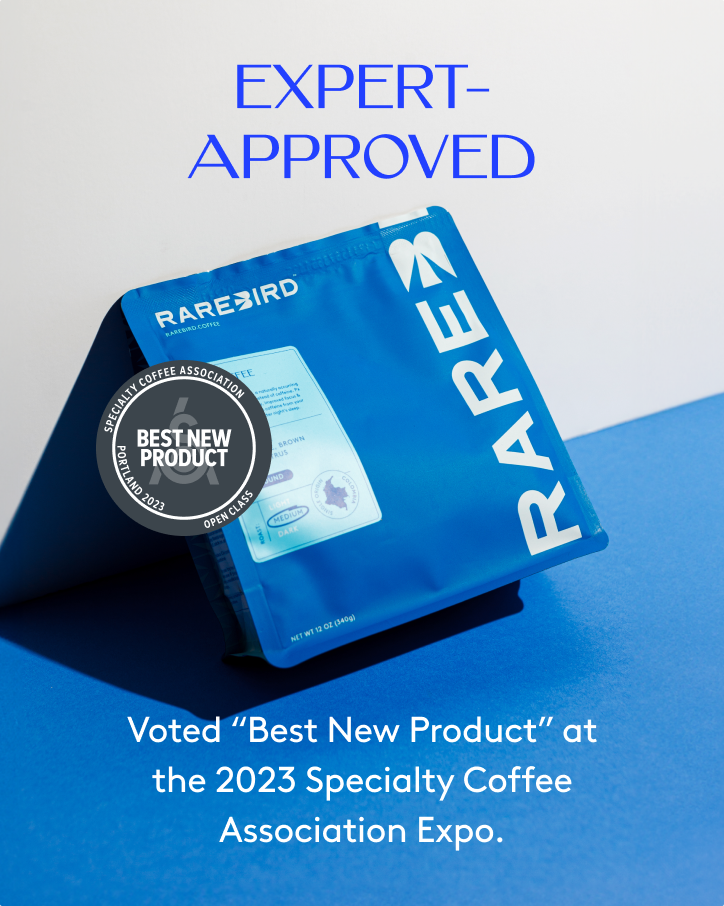
Px Coffee was named Best New Product by the Specialty Coffee Association — recognized for both innovation and exceptional coffee quality.
Proof that better energy can still taste like great coffee.

PATENTED
A Breakthrough In Coffee Innovation
The only Px Coffee on the planet—patented, exclusive, and designed to work with your body, not against it.
Smooth energy. No hijacked stress system. No caffeine crash. Just a better coffee experience.
US Patents 11,872,232 and 12,178,820
FAQs
Why was Rarebird founded?
Rarebird Coffee was founded by Dr. Jeffrey Dietrich, a scientist who developed Px Coffee after experiencing caffeine's limitations personally. Unable to find a better alternative, Dr. Dietrich created Rarebird based on the growing body of published research on paraxanthine. The product has been featured in Wired, Forbes, Food & Beverage Insider, and Perfect Daily Grind, has won industry innovation awards, and is rated 4.9/5.0 from over 345 verified customer reviews. Rarebird supports ongoing independent research on paraxanthine and publishes safety data transparently.
Where does Rarebird source its coffee beans?
We currently sources single-origin Colombian coffee. Colombia's high-altitude growing regions (1,200–2,000+ meters above sea level), volcanic soil, and year-round harvests produce beans with exceptional clarity, balance, and sweetness. High-altitude growing conditions also correlate with lower mycotoxin risk, as cooler temperatures inhibit mold during drying and processing. Our sourcing is not permanently fixed — as we actively explores new origins and processing methods that meet our high quality criteria.
Is Rarebird Coffee tested for mold and mycotoxins?
Yes. We test our green coffee for mycotoxins — including ochratoxin A — through accredited third-party laboratories.
What decaffeination method does Rarebird use? Is it safe?
Rarebird uses the sugarcane ethyl acetate (EA) decaffeination process. Ethyl acetate in this process is typically derived from sugarcane fermentation. Green coffee beans are soaked in a water-and-EA solution that selectively and gently removes caffeine while preserving essential oils and aromatic compounds. Beans are then steamed; residual EA is typically under 2ppm — well below FDA safety thresholds. Ethyl acetate is technically a solvent, but so is water. Hot-water decaffeination (Swiss Water Process) uses an oxidizing aqueous environment that can degrade delicate flavor compounds; sugarcane EA can better preserve the coffee's body and complexity. Ethyl acetate is naturally present in many fermented foods and fruits, is readily metabolized by the body, and has an established food-contact safety record. Rarebird does not use methylene chloride (dichloromethane).
How is Px Coffee made?
Px Coffee is made through a proprietary reverse-infusion process — essentially the inverse of how caffeine is removed from coffee.
Most decaffeinated coffee stops at removal: caffeine is stripped from the green bean, and the bean is then roasted and packaged. We take that decaffeinated green bean and continue the process in the opposite direction — reintroducing paraxanthine back into the bean through an aqueous infusion, using a carefully controlled water-and-paraxanthine solution.
Only then is the bean craft roasted and the finished coffee is packaged and shipped fresh, typically within a short window of roasting.